The Switzerland Deal Is Violent Limbo: A US-Iran War-Game Scorecard
Three days of strikes, then back to the table. A war-game scorecard on the US-Iran deal, and why it survives by fighting.
Avihu Marom · · 5 MIN READ
The deal is being read two ways. Peace under strain, or a ceasefire collapsing back into war. Both are wrong.
It is a third thing, and the headlines do not have a word for it. A limbo that survives by fighting, then goes back to the table.
I can show you with my own homework.
Before any of this happened, I ran the US-Iran decision window as a probabilistic war game. Seventeen iterations. A war game is only worth anything if it can be proven wrong. So here is the scorecard, misses first.
It said the US naval blockade would hold indefinitely, at roughly 435 million dollars a day. It did not. CENTCOM lifted it on 18 June.
It said there would be no second negotiating round inside thirty days. There were several. Switzerland on the 21st. Doha this week.
It framed the stalemate as quiet. That was the largest miss. What arrived was not quiet.
Now the call that held.
The core finding was never about the blockade. It was that the architecture cannot close the hard questions under current postures, and that limbo, not war and not settlement, is where the system lands. Across all seventeen runs, that is where it landed. This week it landed there again, the hard way.
Then the model named the trigger. The most dangerous path ran through one kind of event. A Panama, Greek or Korean flagged vessel struck in the Strait, dragging CENTCOM into the fight.
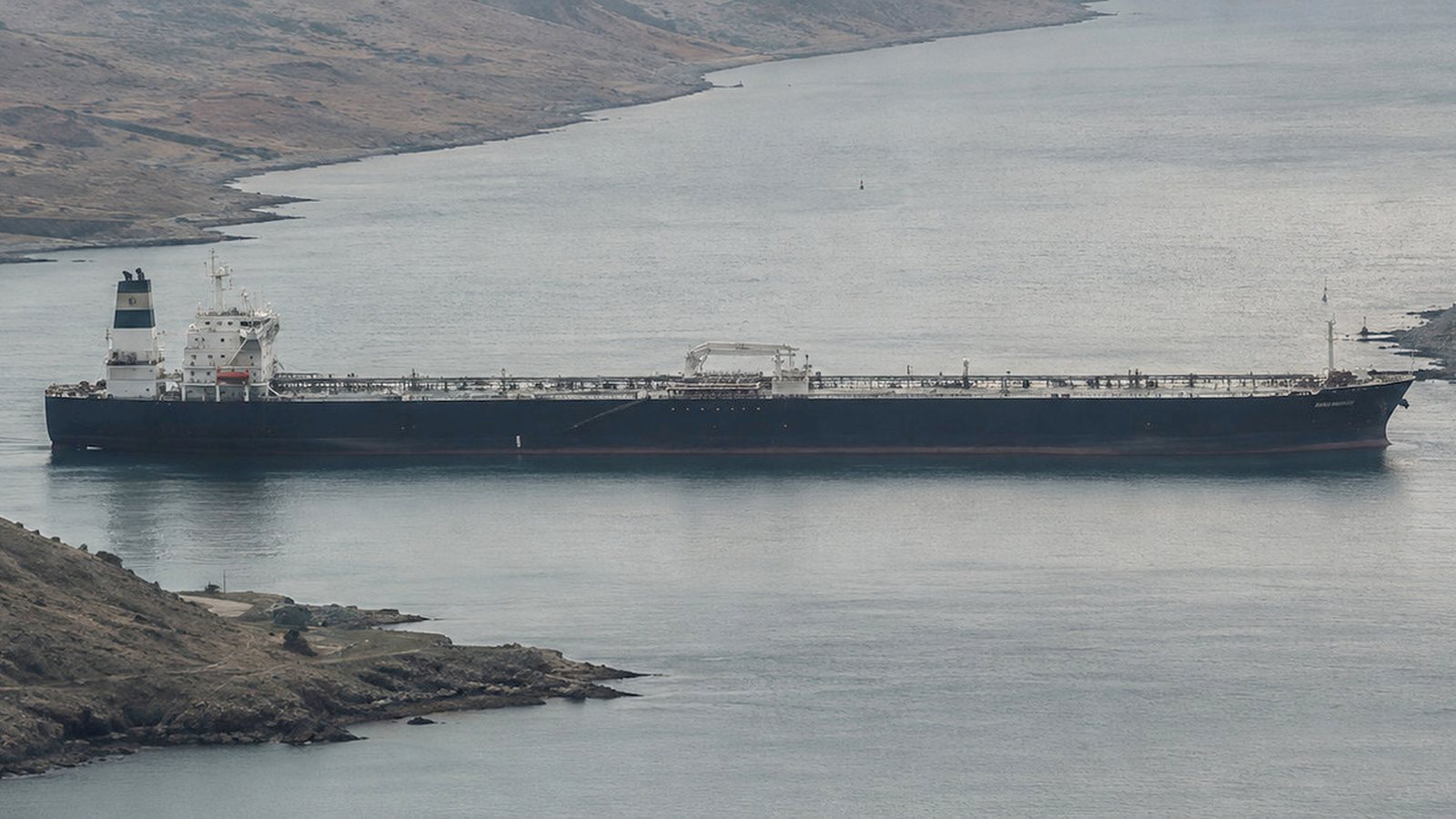
This week the M/T Kiku was hit. Panama-flagged. Greek-owned. CENTCOM struck Iran twice in three days. Iran sent drones at Bahrain and Kuwait. The trigger fired. Flag and all.
Then the part that matters most. Within seventy-two hours, both sides stood down. The talks did not collapse. They moved. From Switzerland to Doha. Witkoff and Kushner flew to Qatar. The strikes stopped. The ships started moving again.
Three days of fire, then back to the table in a new city, with nothing resolved. That is not peace breaking out. That is the limbo reasserting itself.
The model named one more trigger. The one it said was pulled in none of the seventeen runs. A strike on the constitutional shield in Qom, the successor authority that signed the deal into force on 18 June. Pull that, and limbo becomes collapse.
That trigger is still holding. The authorisation has not been revoked. No strike on the shield. The gap between the trigger that fired and the trigger that did not is the entire structure of this war.
This is what violent limbo looks like. Three days of US strikes. Iranian drones on two Gulf states. A president threatening that Iran "will no longer exist," then posting that Iran "has requested a meeting." Tehran denying the meeting was ever scheduled. One signed text. Two readings. No referee.
And the talks are still, technically, alive. Reconvened in Doha. The memorandum unrevoked. No party has declared it dead. All of it true at the same moment. That is not a contradiction. That is the equilibrium.
The deal survives because the one trigger that would break it has not been pulled. Not because anyone is keeping the peace.
The Strait says the same in physical form. It reopened on 18 June. Iran declared it closed on the 20th, then claimed sole management for thirty days. Traffic fell from seventy ships a day to twelve. The leverage never left. It changed costume.
Underneath the fighting, every hard question sits where it was parked. Enrichment. The roughly 440 kilograms of enriched uranium no inspector has physically verified inside the window. Sanctions sequencing. The frozen assets, where Tehran now claims six billion dollars is being released and Washington and Doha say nothing has moved. The mines. Lebanon.
Every actor holding a veto gains more from blocking than from signing. The negotiators hold a document. They do not hold the authority to override the people who can break it. So the talks advance on venue and stall on substance, and the pile of deferred questions grows while the missiles fly, then pause, then fly again.
If you carry shipping, energy or supply-chain exposure to the Gulf, read the deal for what it is. The sixty-day window is not peace. It is a countdown, and it now runs through live fire and back.
The de-escalation was real. So was the re-escalation. So was the de-escalation after that. All inside two weeks.
One number to watch that is not on the front page. The free-market rial just crossed 1.7 million to the dollar, the level the model flagged as the tripwire for an emergency central-bank move. The move has not come. Watch the central bank, not the podium.
Do not price the ceasefire. Price the trigger.
The model got the blockade wrong. It got the structure right, and it named the tanker's flag before the tanker was hit. Watch the one trigger still holding.
Run the scenario on your own exposure. This is the public read. When you need to know how a decision window like this actually breaks, not the headline but the pathways, that is a simulation, and it is run privately. The Intelligence Brief is the focused read. The Client Package is the full engagement.